


relating to the circular bioeconomy, the sustainable use of natural resources, the protection of the environment and rural development.
We aim to enhance our members' success in education, research and innovation for a sustainable bioeconomy and society, by engaging with European and global institutions and networks, to share experience, cooperate in new ventures, and benefit from the resulting synergy.

As part of the Horizon Europe eNaBlS project, the Association for European Life Science Universities (ICA), serving as the project's Liaison Partner, is organising the International Policy Workshop "Policy Recommendations on Nature-Based Solutions for Education", which will take place on 23 September 2026 at the Permanent Representation of Lithuania to the European Union in Brussels.
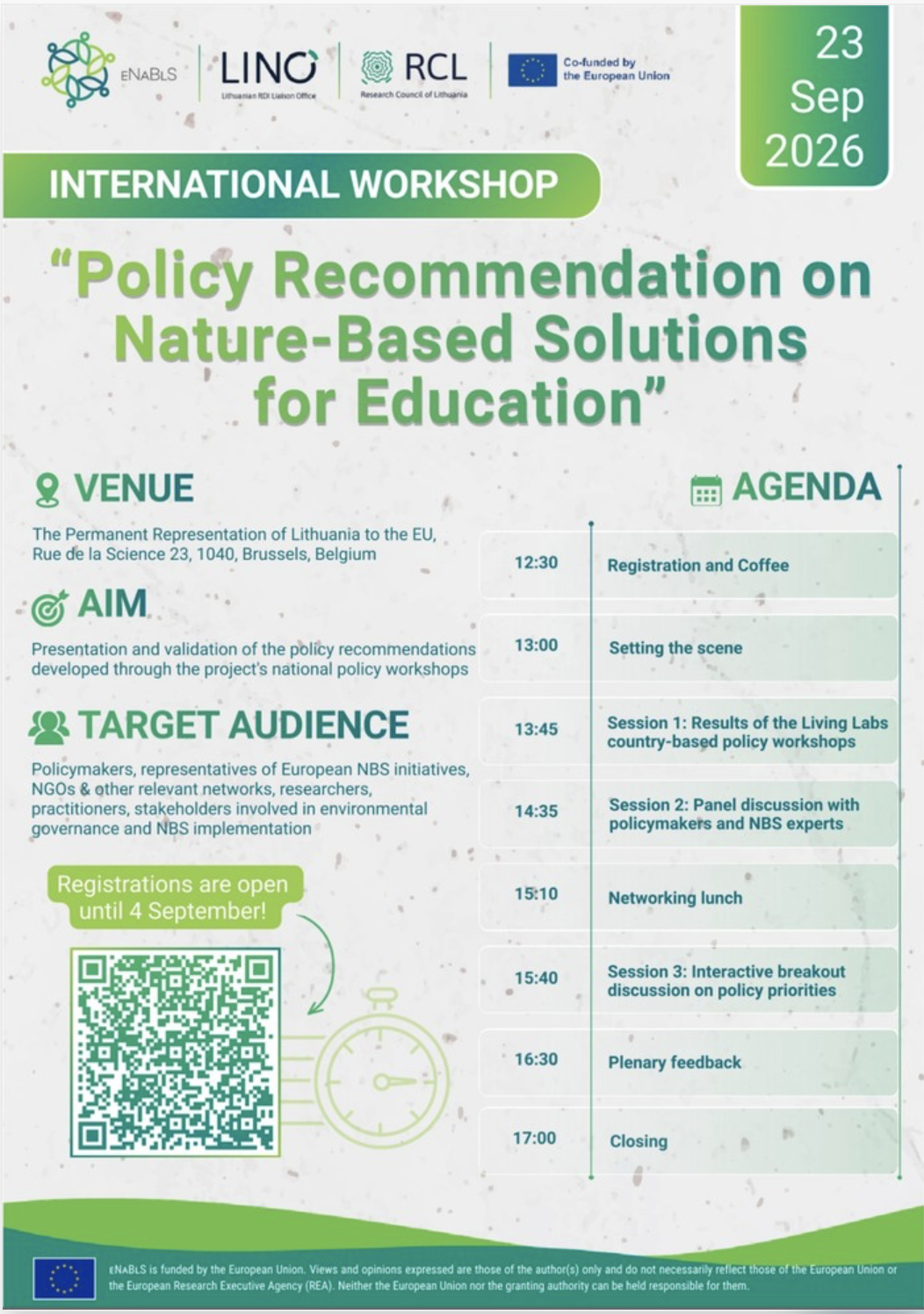
The full agenda and speakers can be found here: Download International Policy Workshop_23 September 2026_Final
Save the date
The ICA Community of Practice for Bioeconomy Education (ICA CoP Bio-Edu) is pleased to announce its upcoming workshop, which will take place on 18-19 March 2027 at Häme University of Applied Sciences (HAMK) in Hämeenlinna, Finland.
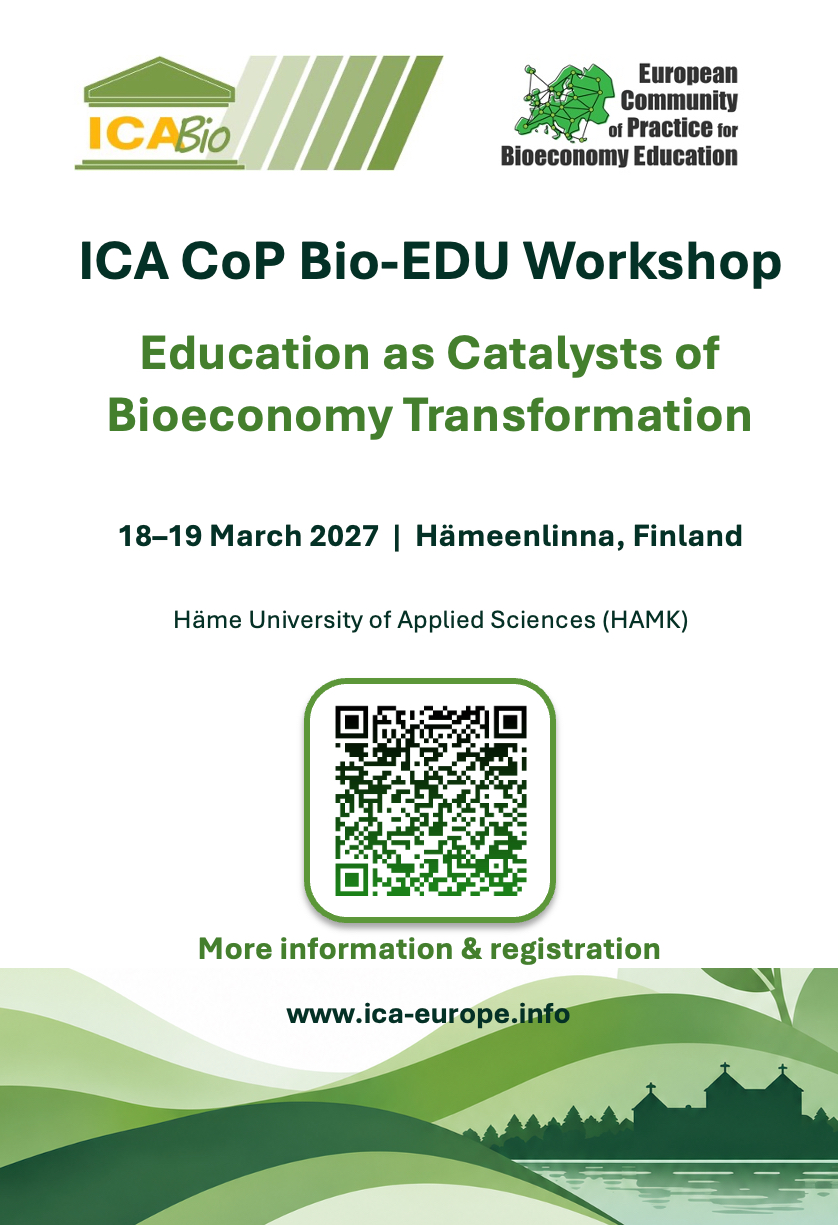
Save the date!
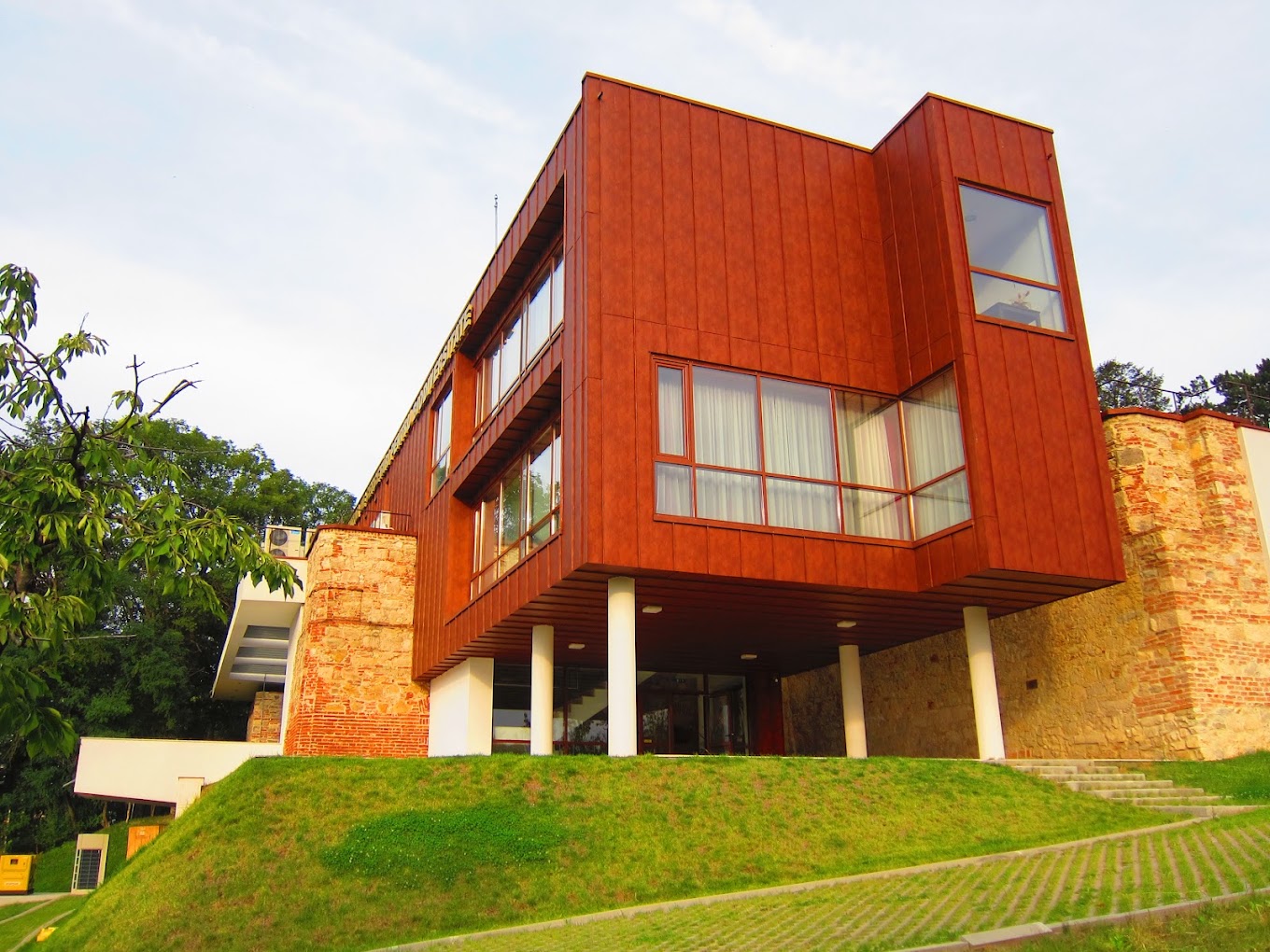
The ICA Board is pleased to announce that the ICA Extraordinary General Assembly will take place on 15 October 2026, immediately before the ICA Rectors and Deans Forum 2026, at the Biodiversity Research Centre in Cluj-Napoca, Romania.
The ICA Board is pleased to invite nominations for new Board members to represent different ICA constituencies. Serving on the ICA Board offers a unique opportunity to contribute to the strategic development of the Association, shaping the future of Europe's life science universities.
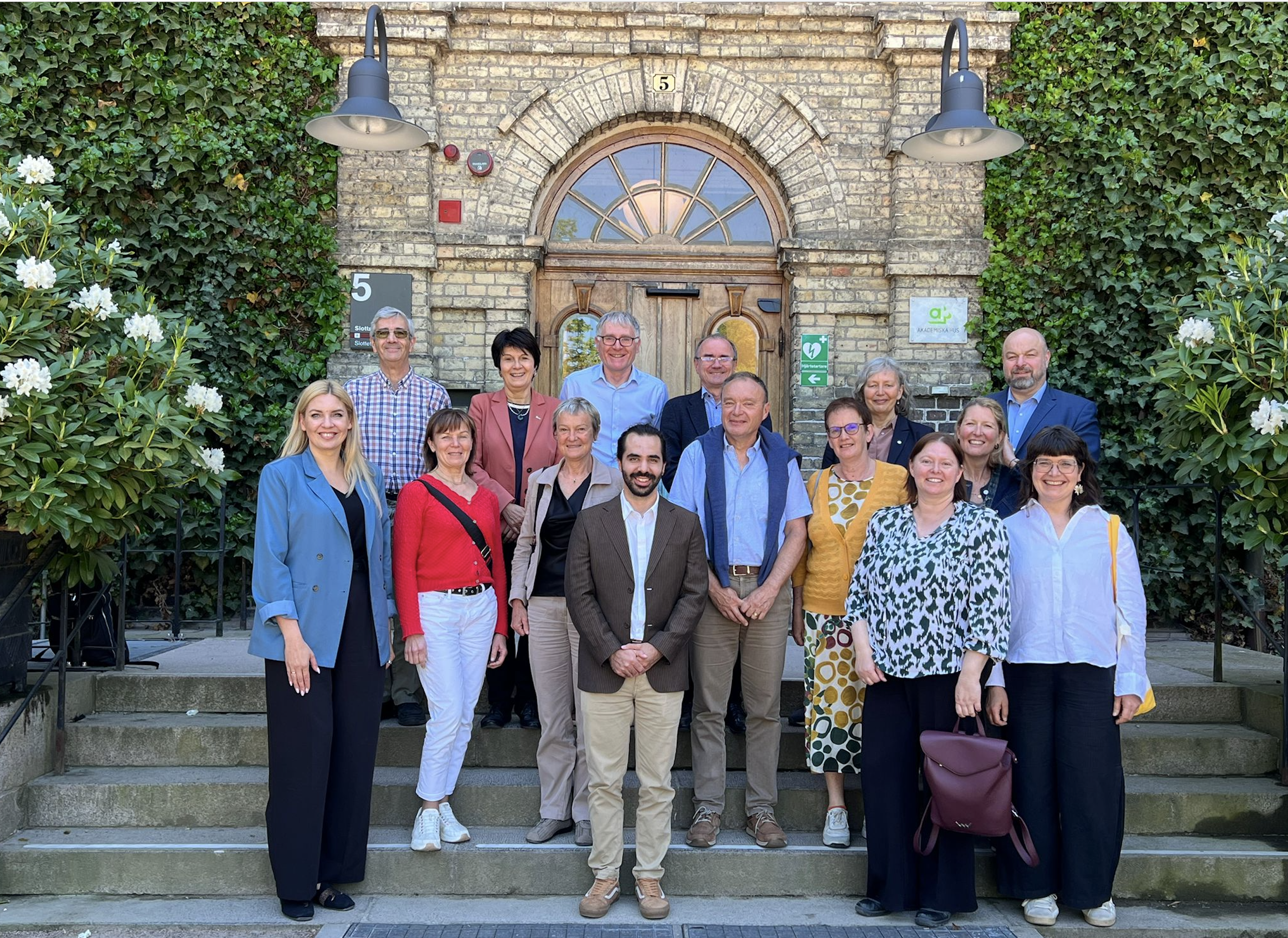
Application Period Closed
ICA is pleased to announce the launch of the call for nominations for ICA Excellence Awards 2026 to recognise individuals who have achieved excellence in furthering the values and mission of ICA.


The ICA Rectors and Deans Forum 2025 has officially published its Communiqué, highlighting key priorities and commitments for advancing the circular bioeconomy in higher education.
Under the theme “Navigating Complexity: ICA Leading the Circular Bioeconomy Transformation” the document reflects the collective vision of European agricultural and life science universities in addressing sustainability challenges through education, research, and innovation.

Download Communique of the ICA Rectors and Deans Forum 2025_Feb2026
Session 1 Case studies of learning communities for transformation to the Bioeconomy: what worked well and what did not? What have we learnt from these case studies to ensure a learning community delivers positive outcomes for the transformation to the Bioeconomy?
Session 2 Why do we need Learning Communities, the perspectives of different partners: knowledge providers, industry, government and civil society: What to expect from learning communities? How can universities engage?
Session 3 How can the outcomes of learning communities provide policy makers with new and relevant insights in the transformation towards the bioeconomy? What is needed in policy at local, national, regional and EU-level to facilitate effective learning communities ?
Session 4 Discussion: Role of life science universities involvement in Learning Communities - what have we learnt and how can life science universities best contribute to the future development of learning communities for the transformation towards the bioeconomy?
20.00 Welcome Reception at the Irish College Leuven
|
9.00 |
Welcome and Introduction to the Workshop - What do we mean by the concept of a learning community? Mona-Anitta Riihimäki, Chair ICA-CoP Bio-Edu and Häme University of Applied Sciences (HAMK), Finland Introduction: Learning Communities for the transformation to the Bioeconomy: innovation by dialogue between partners |
|
9.15 |
Quick roundtable introductions |
|
9.20 |
Time out discussion: what are my take away expectations from this Workshop? Moderator: Kia Partanen, Häme University of Applied Sciences (HAMK), Finland |
|
|
Session 1: Learning communities, what can we learn from the existing learning communities [examples from local, region within a country and national level) addressing these questions: - What was the reason to start the learning community? - What is the goal of the community? - What kind of partners are involved? Which partner takes the lead? - Which learnings were most relevant? Please include the experiences where things went wrong. - If you could start again, what would you do differently? Chair: Mona-Anitta Riihimäki, Chair ICA-CoP Bio-Edu and Häme University of Applied Sciences (HAMK), Finland |
|
10.00 |
BioökonomieREVIER |
|
10.20 |
Urban Living Lab Breda |
|
10.40 |
Coffee break |
|
11.00 |
Smart Green Municipality, Forssa |
|
11.20 |
Creating innovation ecosystems to accelerate the development of rural bioeconomy - best practice example from Northeast Germany |
|
11.40 |
TransBIB – German Transfernetwork Boosting Industrial Bioeconomy and lifelong learning |
|
12.00 |
Discussion: Signposts for Learning Community Success in Leading Transformations to the Bioeconomy Moderator: Kia Partanen, Häme University of Applied Sciences (HAMK), Finland |
|
13.00 |
Lunch |
|
Session 2: Why do we need Learning Communities, the perspectives of different partners in the quadruple helix Chair: Han van Osch, Avans University of Applied Sciences, The Netherlands & Dutch Biobased Knowledge Network |
|
|
14.00 |
Introduction |
|
14.10 |
Setting up and building learning communities for the transition to a biobased and circular economy |
|
14.40 |
Company perspectives: what is the relevance of joining a learning community? |
|
15.05 |
National Association perspective, “Bottom-up and top-down approaches to building learning communities to enhance national and regional competitiveness |
|
15.30 |
Coffee break |
|
16.00 |
University perspectives: what is the relevance of joining a learning community? Linda Schetters, Avans University of Applied Sciences & the Netherlands & Dutch Biobased Knowledge Network, The Netherlands |
|
17.00 |
Closure Day 1 |
|
19.30 |
Dinner - mykene restaurant, muntstraat 44, 3000 Leuven (walking distance of the Irish College) |
|
Session 3 How can the outcomes of learning communities provide policy makers with new and relevant insights in the transformation towards the bioeconomy? Chair: George Sakellaris, Czech Academy of Sciences, Prague, Czech Republic & BioEast |
|
|
9.00 |
Review of day 1 outcomes and aim of Session 3 |
| 9.10 |
The upcoming EU Bioeconomy Strategy: a strategic framework for a competitive and sustainable bioeconomy in Europe |
|
9.30 |
Reflection on the benefit of learning communities in implementing the Commission’s policy in transforming to the bioeconomy |
|
9.55 |
Title Role of Regions in enabling formation of learning communities |
|
10.20 |
Coffee break |
|
10.50 |
Session 4 Discussion: Role of life science universities involvement in Learning Communities - what have we learnt and how can universities best contribute to the future development of learning communities for the transformation towards the bioeconomy? Moderator: Kia Partanen, Häme University of Applied Sciences (HAMK), Finland |
|
11.50 |
Closure |
|
12.00 |
Buffet Lunch |

ICA-CoP Bio-Edu 2025 Learning Communities for the transformation to the bioeconomy
was held online on Tuesday 7 October from 13.00 - 14.00 CET
AKIS brings together farmers, industry, advisory sector, research and education. We will discuss the role of Finnish AKIS, as a national learning community, in order to support farmers in Finland.
Read more and Register !!

was held on Wednesday 17 September, 13:00-14:00 CET
For entrepreneurs, especially those focused on sustainability, Generative AI offers powerful tools to design smarter solutions, streamline processes, and accelerate impact while keeping environmental and social responsibility at the core.
This year’s webinar we’ll explore how generative AI can support sustainable business models with the aim to spark ideas, highlight real-world applications, and consider both the opportunities and challenges of integrating AI into sustainable ventures.
Read More and see the presentations